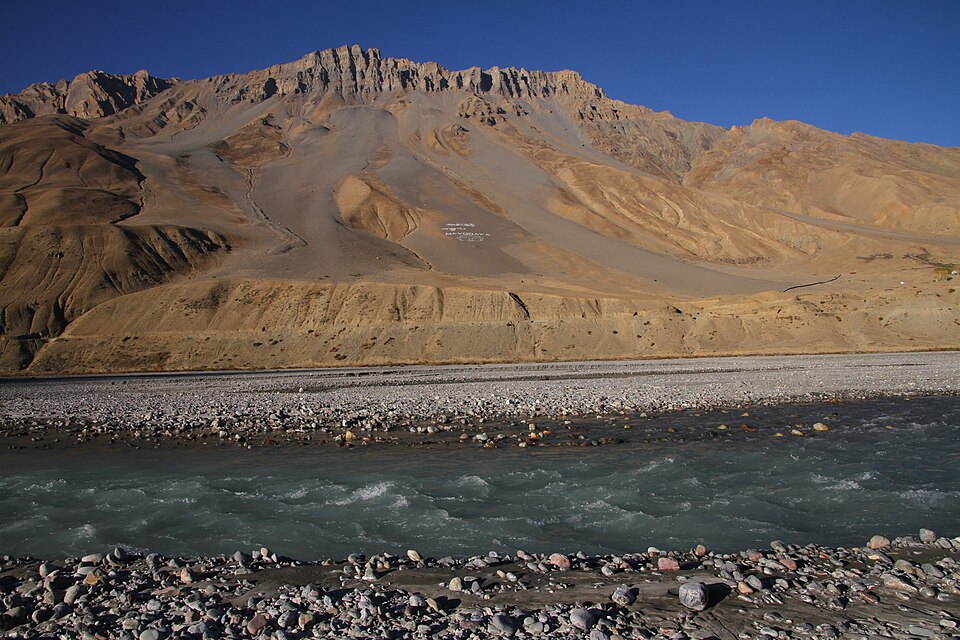
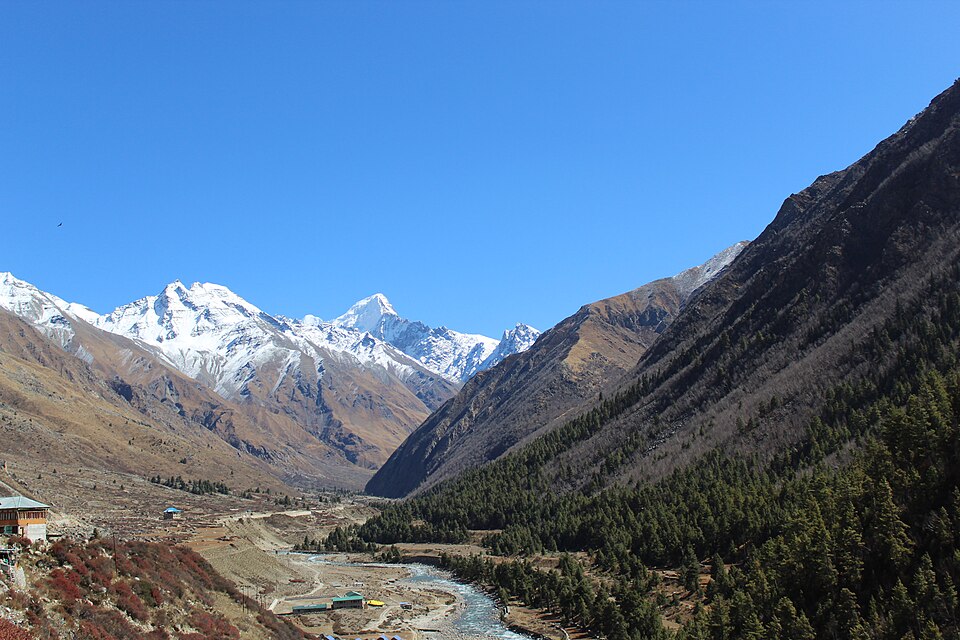
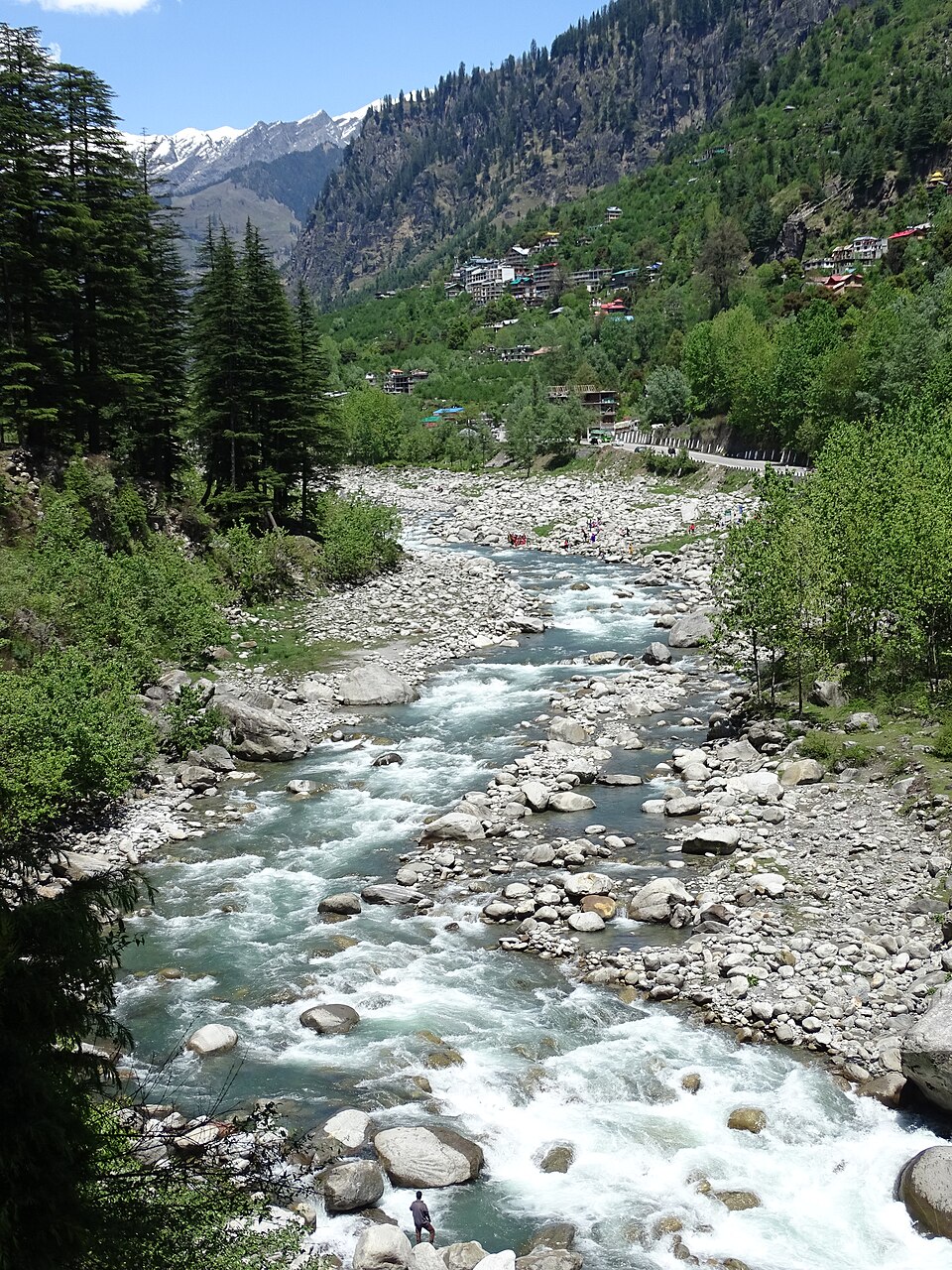
Spiti is Himachal at its most dramatic — a cold high-altitude desert of ochre mountains, thousand-year-old monasteries and tiny villages clinging to the cliffs above the Spiti River. It's a bucket-list road trip, but one that rewards careful planning. Here's everything you need: when to go, which route to take, a realistic itinerary, and how to handle the altitude.
When to visit Spiti Valley
Spiti is seasonal. The high passes are snowbound for much of the year, so timing matters more than for any other Himachal trip.
| Season | What to expect |
|---|---|
| Mid-May – June | Roads opening up, clear skies, cold nights — a great window. |
| July – August | Warmest days; watch for landslides on the Kinnaur side during monsoon. |
| September – mid-October | Crisp, clear and quiet — arguably the best time for views. |
| Late October – April | Deep winter; the Manali route closes and only hardy winter trips run via Shimla. |
For the wider picture across Himachal, see our best time to visit guide.
Which route: via Shimla or via Manali?
There are two ways into Spiti, and the choice affects your safety as much as your scenery.
- Shimla – Kinnaur route (recommended entry): Shimla → Narkanda → Sangla/Chitkul → Kalpa → Nako → Tabo → Kaza. This gains altitude gradually, which gives your body time to acclimatise.
- Manali – Kunzum route: Manali → Atal Tunnel → Kunzum Pass → Kaza. It's shorter but climbs very high very fast, so it's better as an exit than an entry.
The classic approach is to enter via Shimla–Kinnaur and exit via Manali, completing a full circuit when both roads are open (usually June–September). Our Shimla–Spiti tour and Chandigarh–Spiti–Manali circuit are built around exactly this logic.
A suggested 8-day itinerary (from Shimla)
- Day 1 — Shimla to Sangla/Chitkul: Drive through Kinnaur to Sangla; visit Chitkul, the last village near the Tibet border.
- Day 2 — Sangla to Kalpa: Apple country and the stunning Kinner Kailash range at sunrise from Kalpa.
- Day 3 — Kalpa to Tabo via Nako: Cross into Spiti; stop at Nako Lake; overnight at Tabo, home to a 1,000-year-old monastery.
- Day 4 — Tabo to Kaza via Dhankar: Visit the cliff-top Dhankar Monastery and Pin Valley en route to Kaza.
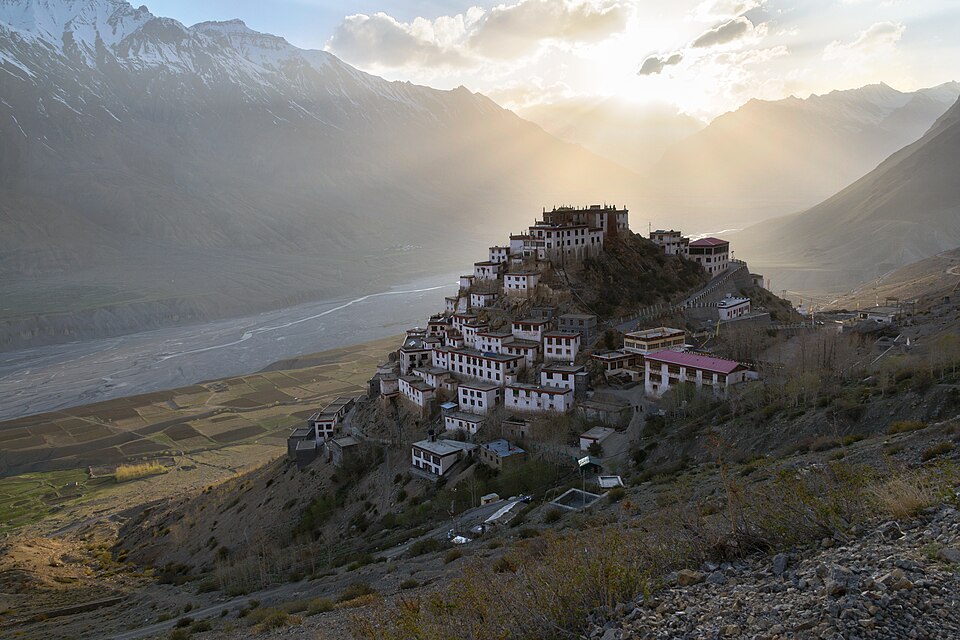
- Day 5 — Kaza local: Key Monastery, Kibber village, and Chicham bridge (one of Asia's highest).
- Day 6 — Langza, Hikkim & Komic: Fossil village Langza, the world's highest post office at Hikkim, and Komic, one of the highest villages with a road.
- Day 7 — Kaza to Chandratal & over Kunzum: Cross Kunzum Pass to the breathtaking Chandratal "Moon Lake."
- Day 8 — Exit to Manali: Over Atal Tunnel back to Manali (or continue to Chandigarh).
Short on days? A there-and-back trip via Shimla–Kinnaur to Kaza and back can be done in 6–7 days. Tell us your dates and we'll tailor the pace.
Don't-miss highlights
- Key Monastery — the largest in Spiti, dramatically tiered on a hill.
- Chandratal Lake — a crescent-shaped glacial lake beyond Kunzum Pass.
- Tabo Monastery — over a thousand years old, often called the "Ajanta of the Himalayas."
- Chitkul — the last inhabited village on the old India–Tibet road.
- Hikkim post office — post a card from the world's highest at ~4,400 m.
- Pin Valley & Mudh village — a green side-valley famous for its wildlife and trekking.
Altitude & safety: read this before you go
Spiti sits high — Kaza is around 3,800 m and several spots top 4,000 m — so altitude sickness is a genuine risk. Stay safe with these basics:
- Ascend gradually — this is the single biggest reason to enter via Shimla–Kinnaur.
- Hydrate and go easy on the first two days; avoid alcohol and heavy exertion.
- Keep a buffer day for weather and to rest at altitude.
- Carry essentials — warm layers, basic medicines, cash (ATMs are scarce beyond Reckong Peo), and a power bank.
- Permits — Indian nationals don't need a permit for the main Spiti circuit; foreign nationals need an Inner Line Permit for the Kinnaur stretch near the border. We can guide you through current requirements.
Why go with a driver: Spiti's roads include river crossings, loose gravel and high passes. An experienced RightWay driver who knows the conditions, the stops and the acclimatisation rhythm makes the difference between a stressful trip and a great one.
Frequently asked questions
What is the best time to visit Spiti Valley?
Mid-May to mid-October, when the passes are open. June and September are the most comfortable; the full Shimla–Manali circuit is usually possible only in these months.
Which route is better — via Shimla or via Manali?
The Shimla–Kinnaur route gains altitude gradually and is the recommended way in. Many travellers enter via Shimla–Kinnaur and exit via Manali over Kunzum Pass for a full circuit.
How many days do you need for a Spiti road trip?
Plan 7 to 9 days from Shimla to comfortably acclimatise and visit Kalpa, Tabo, Dhankar, Kaza, Key Monastery, Kibber, Langza and Chandratal without rushing.
Is Spiti safe and is altitude a concern?
Spiti is generally safe but high — Kaza is around 3,800 m. Ascend gradually, hydrate, avoid alcohol early on, and keep a rest day. An experienced driver makes the trip much safer.